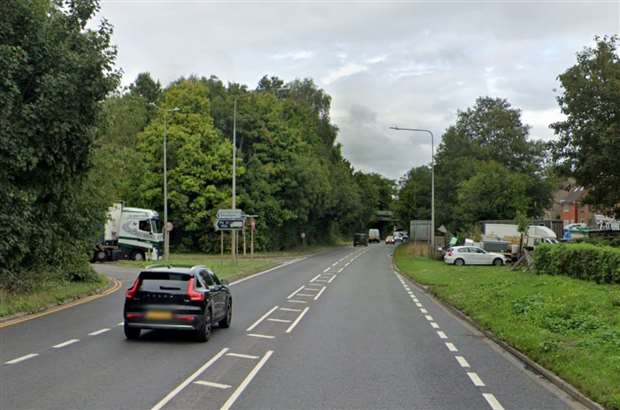
I’m pleased to confirm that the A228 Snodland Bypass has reopened tonight, after being closed for five days due to a serious gas leak and associated repairs.
This is welcome news for our community in Snodland and beyond. For too long the streets of Malling Road have borne the burden of diverted traffic, congestion, and safety risks. But as we celebrate the reopening, it’s also time to reflect on the challenges, what we’ve learned, and how we prepare better for the future.
What Happened & Why the Closure Was Necessary
- On Sunday, October 5, the bypass was closed due to a significant gas leak and damage to the network in the stretch between Ham Hill and Brook Street.
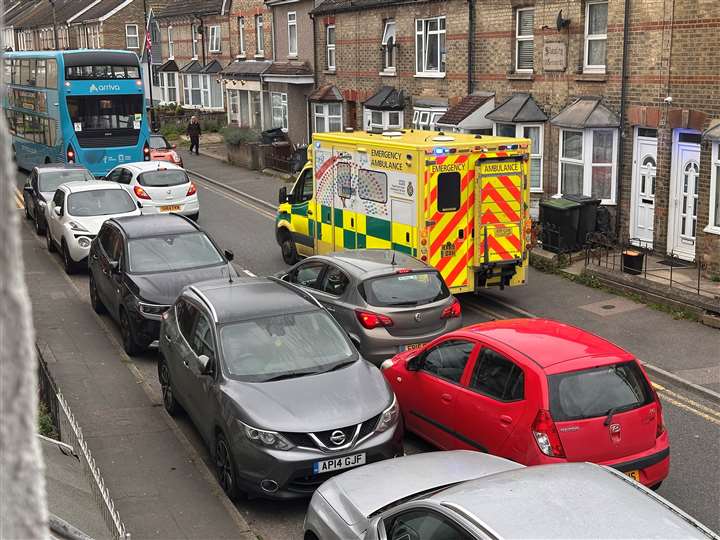
- While the closure was necessary for public safety and to allow repairs, the impact on nearby roads, especially Malling Road, was immediate and severe. Heavy traffic, delays, and constrained access became daily realities.
- SGN and their teams worked around the clock to restore the gas network and rebuild the road surface. They report that by this evening the repair was complete, allowing safe reopening.
The Impact: What Residents & Services Experienced
These were not minor inconveniences, the closure triggered a cascade of issues:
- Emergency vehicles stuck in traffic: I personally heard reports that fire engines and ambulances were delayed while trying to navigate Malling Road.
- Bus services curtailed or suspended: Some routes had to be suspended because they could no longer reliably reach their stops.
- Pedestrian danger and pavement encroachment: In some cases, motorists resorted to mounting pavements or squeezing through pedestrian space to bypass congestion, putting schoolchildren, parents, and vulnerable residents at risk.
- Business impact and inconvenience: Local shops and cafés in Malling Road saw footfall fall as people avoided the area amid the traffic mayhem.
- Public anxiety and frustration: Many residents expressed that the closure turned into a test of patience and safety — especially when standard diversion routes proved inadequate under heavy load.
My Response — What I Did As Your Councillor
From the earliest updates, I made it a priority to raise red flags about safety and access. Here’s a summary of my actions:
- I wrote to Cllr Sian Dodger (KCC Member for Malling North) asking for urgent intervention, including the deployment of marshals to manage traffic flow at critical points.
- I supported calls for gate marshals on either side of Snodland to help redirect HGVs and reduce pressure on Malling Road.
- I emphasized the need for better diversion signage, traffic enforcement, and pedestrian protection in the areas under strain.
- I consistently stressed: safety first. No one should feel that normal disruption becomes a danger.
When the reopening was confirmed, I welcomed SGN’s efforts. I also acknowledged that while repairing the infrastructure is critical, we need a backup plan should similar incidents happen again. I said: “I think it was great that SGN managed to complete the work in this time frame. However, there are questions to be asked to ensure we have a backup plan that we can use in the future if the bypass were to shut again, it’s been hell.”
What This Reopening Means & What Comes Next
The reopening is a huge relief. It restores normal routing for traffic, eases congestion, and reduces the burden on Malling Road and surrounding streets. But it also offers a moment to reflect and plan:
1. Review and learn
We need a detailed post-incident review: what worked, what failed, and where contingency needs strengthening. Diversion routes, traffic control, signage, and emergency access must all be scrutinised.
2. Emergency traffic management protocols
We should have standing protocols ready to deploy automatically, marshals, temporary one-way systems, digital signage, and liaison with emergency services, so that when a closure occurs, we’re not caught scrambling.
3. Communication & updates
During the closure, many residents told me they felt under-informed about timelines and alternative routes. In future, transparent, real-time updates (via social media, local websites, text alerts) should be part of the plan.
4. Infrastructure resilience
As we maintain and upgrade our network, we must build in redundancy and resilience so that single points of failure (like a pipe break) don’t cripple our mobility.
Final Thoughts
As your councillor, I’m glad to see the bypass back open. But I also recognise that this was a wake-up call. When infrastructure fails, the consequences ripple far beyond delays, they affect safety, services, businesses, and daily life.
I commit to pushing for the lessons from this event to lead to stronger, smarter responses in future. I will hold relevant agencies accountable to ensure that next time, we act faster, communicate better, and protect our community from chaos.
If you were affected, whether delayed, inconvenienced, or concerned for safety, I want to hear from you. Please reach out with your experiences. Your input will help shape how we respond next time.
Stay safe, and thank you for your patience.
Cllr Luke Chapman